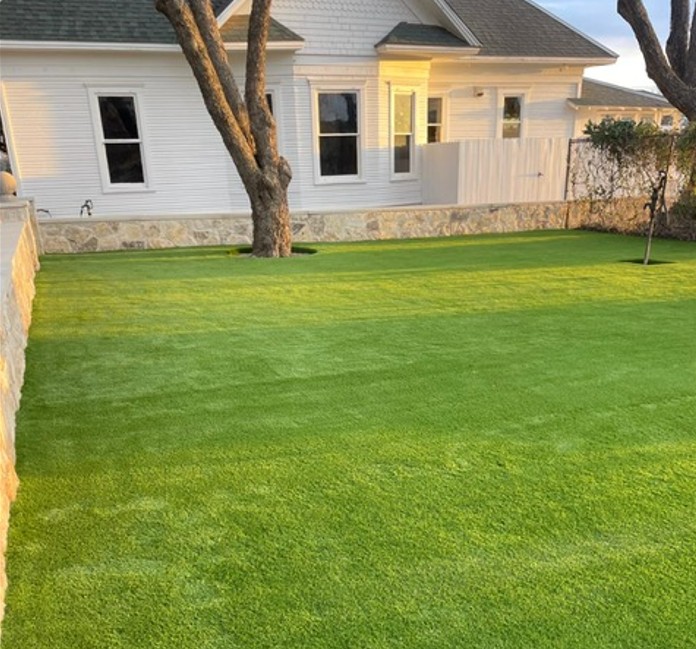
Artificial turf might look like a no-fuss way to enjoy a green lawn year-round, but it needs more care than most people realize. Without regular attention, dirt builds up, blades flatten, and patches can lose their bounce, even creating safety issues around your yard. Simple, consistent care protects your investment and keeps your lawn inviting for years to come. Here’s how to maintain your turf for maximum longevity.
To maintain your artificial turf for maximum longevity, regularly clean debris and spills using mild soap or diluted vinegar, avoid harsh chemicals, and rinse occasionally to prevent dust buildup. Use a power broom or artificial turf rake to lift flattened blades, replenish infill sand as needed, and schedule professional maintenance annually or biannually for deep cleaning and inspections.
Benefits of Regular Turf Maintenance
Artificial turf may seem like a set-it-and-forget-it solution, but beneath that green surface, debris, dust, and foot traffic gradually wear out fibers and compact the infill underneath.
Regularly removing dirt and leaves refreshes your turf, lifts matted blades upright, and keeps drainage channels clear. This consistent care maintains the soft, springy feel families and pets love.
The financial payoff is significant. A well-maintained artificial lawn lasts 15 to 20 years, far longer than neglected turf. Think of regular brushing and infill top-ups as routine tune-ups: small actions that prevent costly repairs and preserve your warranty coverage.
But longevity isn’t just about economics. Uneven or compressed surfaces increase trip and fall risks, especially in homes with children or active pets. Regular grooming smooths these inconsistencies before they become problems. Well-groomed synthetic grass cushions impacts and maintains traction, providing a safer, more consistent surface than mud or holes ever could.
Effective Cleaning Techniques
The real secret to maintaining artificial turf is regular, targeted cleaning that protects both the surface and the underlying structure. Each week, use a leaf blower or gently rinse with a garden hose to remove dust, pollen, and light debris before they settle deep into the fibers.
Once a month, give your turf a deeper cleanse using mild detergent mixed with water. Avoid bleach or heavy solvents, which erode fiber integrity over time. At Artificial Turf of Texas, we stress gentle cleaning because turf is resilient, not invincible.
Pet owners especially benefit from enzyme-based cleaners during monthly cleans. These formulas break down odor-causing bacteria without damaging fibers. In Fort Worth summer heat, pet odors intensify quickly, making enzyme cleaners a valuable addition.
| Cleaning Task | Frequency | Recommended Tools |
| Dust and Debris Removal | Weekly | Leaf Blower, Garden Hose |
| Deep Clean | Monthly | Mild Detergent, Soft Brush |
| Pet Area Cleaning | As Needed | Enzyme-based Cleaners |
DIY cleaning has limits. Most homeowners stop routine maintenance after a few months or use stiff household brushes that damage fibers. Professional cleanings use power brooming to lift fibers and redistribute infill evenly. Our team also inspects drainage systems and catches early issues like loose seams or thinning patches before damage becomes irreparable.
Maintaining Turf Edges and Seams
Edges and seams are where everything holds together, bearing the brunt of foot traffic and weather changes. Left unattended, edges lift and create gaps that become tripping hazards. Regular inspection prevents small issues from becoming expensive repairs.
Secure lifted edges with landscaping staples or galvanized nails designed for artificial turf. After heavy rain or windstorms, walk your perimeter and re-anchor any lifted sections before erosion or animal activity worsens the problem.
Seams between turf sections need their own care. Foot traffic and temperature shifts cause expansion and contraction that can pull seams apart over time. Monthly inspections are critical.
When a seam begins separating, apply a polyurethane-based seam adhesive designed for artificial turf, then use a seam roller to press the glue evenly into place. Maintain proper seam overlap during installation or repair to strengthen the joint without creating wrinkles.
Texas climate stresses seams especially hard, with cold winters and hot summers making inferior adhesives brittle over time. Seasonal checks let you catch degradation early. For extensive damage, professional seam repair is a worthwhile investment that protects your turf’s long-term value.
Reducing Wear and Tear
High-traffic areas inevitably face more stress, leading to flattened fibers and faster wear. The key is reducing concentrated pressure and keeping blades standing tall.
Rotate areas subjected to heavy use. If children play in one corner or pets follow specific paths, periodically move toys, swings, or obstacles to redistribute wear. This simple habit extends turf life by giving stressed sections time to recover.
Strategic placement of turf-friendly mats also helps. Unlike conventional mats that trap moisture and accelerate fiber degradation, breathable mats shield surfaces from dirt and abrasive contact. Entryways and pet resting spots benefit most.
- Choose breathable, non-absorbent mats with adequate drainage
- Remove mats occasionally to clean both mat and turf surface
- Avoid heavy or rigid materials that crush infill layers
Regular brushing with a power broom or stiff rake elevates flattened blades and distributes infill for consistent support. We recommend weekly brushing during heavy use periods, with yearly infill top-ups to compensate for displacement. Avoid dragging heavy furniture across the surface; use protective sliders instead.
Seasonal Turf Care Tips
Spring brings pollen, dust, and winter residue. Thoroughly rinse with a garden hose to wash away particles that can suffocate fibers and clog drains. Inspect drainage points for blockages, examine seams that cold weather may have shifted, and check infill levels for replenishment.
As temperatures rise during Texas summer, pet odors intensify on artificial grass. Increase rinsing frequency in pet zones using plain water or enzyme-based cleaners. Clean accidental spills like barbecue grease or sunscreen promptly before residues bake onto the surface. Keep grills and fire pits off the turf, since extreme heat can warp synthetic fibers irreversibly.
Fall brings steady leaf fall and organic debris that traps moisture if left unattended. Regular clearing with a leaf blower or soft-bristle rake prevents mold growth and drainage issues. Monitor weed growth around edges and use non-toxic, turf-safe weed killers if needed.
Winter demands gentler care. Let light snow melt naturally; remove heavy snow with plastic shovels or brooms to protect fibers. Never use rock salt or chemical de-icers, which degrade fibers and backing layers over time.
Artificial turf isn’t no-maintenance. It’s smart maintenance. A seasonal routine transforms what feels like a chore into straightforward preventive care.
| Season | Key Actions |
| Spring | Rinse, clear drains, check seams and infill |
| Summer | Frequent rinsing on pet zones, quick spill cleanup, avoid heat sources on turf |
| Fall | Remove leaves often, monitor weeds safely |
| Winter | Gentle snow removal, avoid salts/de-icers, careful ice management |
Essential Turf Maintenance Tools
The right tools are essential for prolonging turf life. The power broom is the standout, designed specifically to lift flattened synthetic blades. Over time, footsteps, furniture, and weather press turf down, leaving it looking dull. The power broom flips fibers upright and redistributes infill evenly. Many homeowners rent one periodically from home improvement stores rather than buying outright.
A soft-bristled rake handles regular debris clearing. Unlike metal rakes, which shred delicate fibers, plastic-bristled rakes gather leaves, twigs, and loose dirt without damage. Use weekly to prevent moisture-trapping buildup.
Finally, a garden hose with a spray nozzle attachment is essential for rinsing turf thoroughly. Regular rinsing washes away dust, pollen, pet residue, and contaminants before they embed in fibers or infill. A focused spray targets high-traffic areas or stubborn debris like sap or spilled drinks.
Together, these three tools handle the bulk of routine turf care through every season, helping you avoid costly repairs.
Hiring Professional Services
While DIY handles routine brushing and spot cleaning, a trained crew brings equipment and techniques that elevate turf care to another level. Professional service includes deep cleanings that remove embedded debris, sanitize the surface, and replenish infill.
One overlooked benefit is drainage optimization. Good drainage prevents water pooling, which preserves turf integrity and reduces mold and odors. Our team inspects and adjusts the sub-base and infill distribution to keep water flowing freely.
Professional crews also use specialized brushes designed to lift fibers without damaging them, something household tools can’t replicate. The transformation can be remarkable: worn-looking turf regains its lush, natural feel.
Keep Your Artificial Turf Looking Its Best Year After Year
Artificial turf maintenance does not have to be complicated, but staying consistent makes all the difference. From regular brushing and rinsing to professional deep cleaning and seam inspections, the right care routine helps protect your investment, improve safety, and extend the life of your lawn for years to come.
Whether you need seasonal maintenance, pet odor treatment, infill replenishment, expert repairs, or turf installation, the team at Artificial Turf of Texas is here to help homeowners across Fort Worth and the DFW area keep their synthetic grass clean, vibrant, and long-lasting. Call 817-988-6986 today or schedule your consultation for professional turf maintenance or request a customized care plan for your property.
FAQs
What are the best cleaning practices to keep artificial turf looking fresh?
Regularly remove debris with a leaf blower or broom, rinse with water to eliminate dust and pet urine, and occasionally clean high-traffic areas with a mild soap solution. Weekly cleaning paired with a monthly deeper wash prevents embedded dirt and bacterial buildup, keeping your lawn looking its best season after season.
How often should artificial turf be brushed or groomed to prevent matting?
Brush artificial turf at least once a week in high-traffic areas to prevent matting and keep fibers upright. Less-used sections can be brushed every two weeks. Regular brushing maintains the lush appearance of your lawn and redistributes infill so the surface stays cushioned and consistent underfoot.
Can certain weather conditions damage artificial turf, and how can I protect it?
Yes. Extreme heat can soften or warp fibers, heavy snow and ice may compress infill, and prolonged UV exposure can fade lower-quality turfs over time. Choose UV-stabilized turf from the start, brush regularly to keep fibers upright, keep grills and fire pits off the surface during hot Texas summers, and remove ice with plastic shovels rather than metal tools.
Are there any recommended products for maintaining and prolonging the life of artificial turf?
Turf deodorizers neutralize pet waste odors, infill replenishers restore cushioning lost to foot traffic, and specialized turf cleaners lift dirt without damaging fibers. Enzyme-based pet cleaners are particularly useful for dog owners. Stick to products labeled safe for synthetic turf to protect both fibers and backing.
What types of debris or stains require special attention on artificial turf?
Greasy food stains, pet urine, and plant debris like leaves and pine needles all need prompt attention. Greasy stains can settle into fibers if ignored, and untreated pet urine contributes to odor buildup and infill degradation. Leaves and pine needles trap moisture and invite mold, so regular brushing and clearing are essential to keep your synthetic lawn looking lush and lasting long.