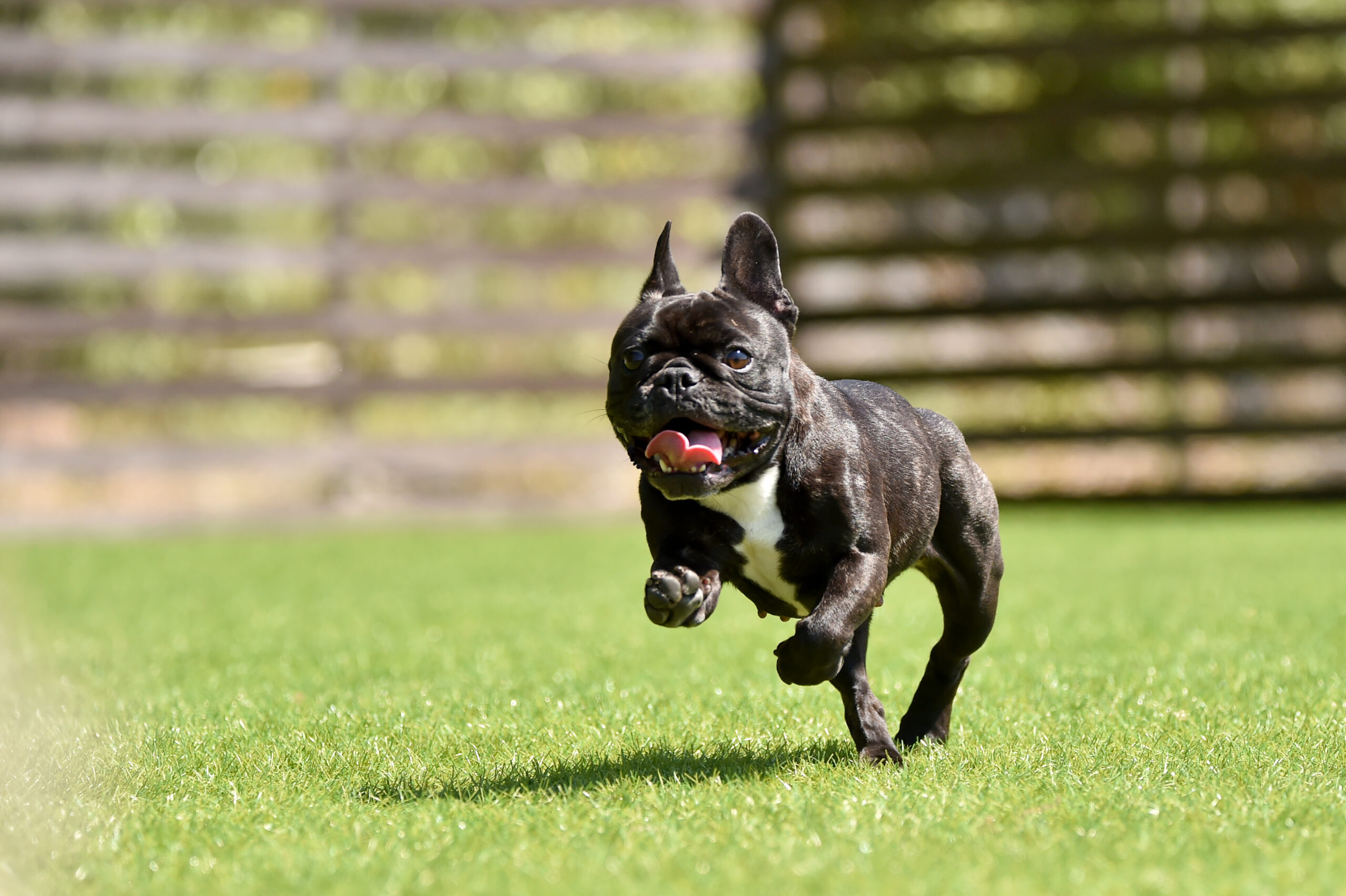
Choosing the right surface for your pet’s outdoor play area might seem simple, but it quickly becomes clear that not all grasses are created equal, especially when it comes to keeping your furry friend comfortable and safe. A yard that looks good is great, but one that stands up to paws, claws, and the occasional muddy afternoon is even better. This guide covers what makes pet turf a smart choice over natural grass and highlights the features to look for so your dog can enjoy their space without you worrying about damage or mess.
To choose the best pet turf, prioritize durability, softness to minimize paw irritation, and efficient drainage. Look for non-toxic, UV-resistant materials with antibacterial properties, and select turf with an appropriate pile height (around 1” to 1.25”) and sufficient face weight for your pets’ activity level to ensure long-lasting comfort.
Why Artificial Grass Are Very Useful for Pets?
Pet Turf Rolls are built for heavy-duty durability. Designed with dense fibers and a reinforced backing, this turf withstands rough play sessions, ideal for an energetic dog who loves to dig or race across the yard. It’s soft enough to protect delicate paw pads yet tough enough not to flatten under pressure, and its strong drainage means no more muddy patches or smelly puddles after a North Texas downpour.
UV-resistant fibers keep the grass cool and vibrant even under the intense Texas sun, helping prevent the heat buildup that can stress pets’ paws. Installation is straightforward, making it a favorite for indoor runs or shaded outdoor spaces.
Pet turf rolls are engineered for varied environments, whether it’s a residential backyard in Keller or a commercial dog park in Fort Worth. Their realistic look offers beauty without compromise, and frost resistance helps keep the turf robust during cold snaps. Its smart drainage system prevents standing water, helping curb odors and bacteria buildup when multiple pets share a space.
Evaluating Pet Turf for Playability
One of the most critical factors is playability: how comfortable and safe your furry friend feels while running, digging, or lounging. A turf that looks good but irritates paws or offers no cushion will quickly become an annoyance rather than a benefit.
Synthetic lawns designed specifically for pets often feature curved and flatter blades instead of stiff, straight ones. This design mimics natural grass more accurately and helps prevent scratches or abrasions on delicate paws.
The padding underneath also matters. A quality artificial turf will have enough infill material, such as silica sand, organic cork, or specially engineered beads, to cushion every jump or sudden stop. This shock absorption helps protect joints for dogs of all ages and sizes. Combining fiber softness with proper cushioning creates both comfort and confidence, so rolling around or sprinting becomes enjoyable and pain-free.
Durable and Safe Material Choices
The material you choose sets the foundation for both longevity and your pet’s well-being.
Polyethylene stands out due to its resilience and UV resistance, holding up under heavy use outdoors without fading, a big plus for sunny Fort Worth yards. Its fibers maintain strength even after years of rough play.
Nylon offers impressive toughness thanks to higher tensile strength, translating to better wear resistance. However, it tends to fade faster under prolonged sunlight, making it better suited to indoor or shaded areas where its strength becomes a real asset.
Polypropylene excels in replicating the softness of natural grass, providing a cushion that reduces irritation on sensitive paws. Though it has less tensile strength than the others, its gentle texture makes it ideal for puppies, older animals, or pets who spend a lot of time lying down.
Equally critical is ensuring your turf is free from toxic substances. Leading manufacturers now produce synthetic grass with fibers containing no lead or harmful chemicals, and many modern artificial turf for dogs and pets are treated with antimicrobial coatings that help inhibit bacteria growth and keep odors at bay.
Polyethylene often emerges as the best all-around choice for outdoor pet turf. For indoor applications requiring softness, polypropylene is the go-to option, while nylon works best in shaded, low-UV areas.
Installation Tips for Pet Owners
A good installation requires careful planning and attention to detail. It begins with accurately measuring your space and marking clear boundaries of where the turf will go, whether it’s a cozy corner for your pups or a larger play area.
Preparing the ground properly is essential. Remove all existing grass, roots, rocks, and debris so nothing interferes with your new surface. Adding a high-quality weed barrier helps prevent intrusions that disrupt the turf over time.
The base layer acts as the resilient foundation that supports pets and foot traffic. Typically, a 3 to 4-inch layer of crushed stone or decomposed granite is spread evenly and compacted firmly. This compaction supports stability and proper drainage, keeping your lawn dry and odor-free after rain or pet accidents.
Rolling out artificial turf requires patience and precision. Lay each roll carefully to avoid wrinkles that could create tripping hazards. Seams should be secured tightly using seam tape and adhesive, overlapped by two to three inches for durability. Edges must be fastened with landscape staples or nails around the perimeter to prevent shifting, even with energetic dogs running wild.
Maintenance and Cleaning Guidelines
Regular upkeep is the key to preserving both the vibrant look and safe environment artificial pet turf promises.
Promptly removing pet waste is non-negotiable. Allowing waste to sit can cause lingering odors and risk damaging turf fibers. Brushing the turf fibers regularly with a stiff-bristled broom keeps the grass looking upright and prevents matting. Rinsing your turf with clean water helps wash away urine residues, dust, or mud after outdoor play.
Beyond daily tasks, monthly care adds another layer of cleanliness. Using an enzyme-based cleaner targets the organic compounds responsible for persistent smells. Specifically formulated pet turf cleaners break down urine molecules rather than just masking odors. Because synthetic turf contains built-in drainage perforations, excess liquid evacuates quickly, helping prevent mold and bacteria growth underneath.
Managing turf temperature is another consideration. Artificial grass tends to warm up in direct sunlight more than natural lawns. Rinsing during hot days not only cleans but cools the surface, and special infills like Hydrochill can help mitigate heat absorption on sunny Texas afternoons.
Choose mild, pH-neutral cleaners and avoid harsh chemicals like bleach or ammonia, which can deteriorate turf materials and pose risks to animal health.
Cost vs. Value: Is It Worth It?
When you first hear the price tag for synthetic pet turf, it can feel like a hefty investment. Yet focusing solely on that number misses the bigger picture. The true value lies in what you save over time, both in money and effort.
Natural grass demands constant watering, fertilizing, mowing, and patching, particularly if your furry friends are active. These costs add up year after year, especially in the Texas climate. With synthetic turf, those recurring expenses largely disappear. You also skip muddy paw prints dragging dirt inside after a rainstorm and brown patches caused by pet urine.
Investing in premium products like polyethylene blades with antimicrobial properties from a trusted supplier such as Artificial Turf of Texas helps maximize your return through long-lasting beauty and safety for your pets. Think of it like buying a reliable vehicle: there’s an upfront premium, but fewer repairs save you money and frustration over years of ownership.
Common Mistakes to Avoid When Choosing Pet Turf
Choosing the wrong turf can lead to odor issues, poor drainage, and faster wear.
- Selecting turf without proper drainage
- Ignoring pile height and face weight
- Choosing non-pet-specific turf
- Skipping antimicrobial protection
- Poor installation leading to shifting or odors
Create a Clean, Safe Play Area Your Pets Will Love
Give your dogs a mud-free, durable space designed for comfort, safety, and easy maintenance. At Artificial Turf of Texas, we install premium pet turf solutions that handle heavy use, resist odors, and stay green year-round in Texas conditions.
Whether you need a backyard upgrade, a pet run, or a multi-dog play area, our team will help you choose the perfect turf for your pets’ needs.
Call 817-988-6986 today or schedule your consultation to get started with a custom pet-friendly solution for your furry companions
FAQs on Choosing Pet Turf
How does pet turf compare to natural grass in terms of maintenance and pet comfort?
Pet turf outshines natural grass by requiring no mowing, watering, or fertilizers, cutting upkeep time considerably. It stays lush and mud-free year-round, meaning your pet’s paws stay clean and happy. Durable turf also withstands heavy traffic without bald spots.
Are there any non-toxic or eco-friendly pet turf options available?
Yes. Many pet turf options are made from non-toxic materials and are free of harmful chemicals, perfect for your furry friend and the planet. Eco-friendly turf helps reduce water usage while keeping pets safe from toxins sometimes found in older products.
What features should I look for in pet turf?
Look for pet turf that’s UV-resistant, non-toxic, and well-draining. Durability shines with high-density polyethylene or polypropylene fibers. Antimicrobial treatments help reduce odors and bacteria, and properly installed pet turf can last many years.
What is the installation process for high-quality pet turf?
Installation usually involves clearing and leveling the area, laying a weed barrier, building a compacted base of crushed stone or decomposed granite, rolling out and trimming the turf, then securing it with seam tape, adhesive, and landscape staples. Professional installation typically takes a day or two depending on size.
How do different types of pet turf handle pet waste and odors?
Permeable turf with antimicrobial backing allows liquids to drain quickly, helping reduce odor buildup, while less permeable options can trap moisture. Pairing a permeable product with enzyme-based cleaners and regular rinsing is the most reliable way to keep your yard smelling fresh.
How long does pet turf last with dogs?
High-quality pet turf can last 10 to 15 years, even with active dogs, when properly installed and maintained.
Does pet turf smell over time?
Not if installed correctly. Proper drainage and occasional enzyme cleaning prevent odor buildup.
Is pet turf safe for puppies?
Yes, most modern pet turfs are non-toxic and soft, making them safe for puppies and older dogs.
What is the best base for pet turf installation?
A compacted crushed stone or decomposed granite base provides the best drainage and stability.