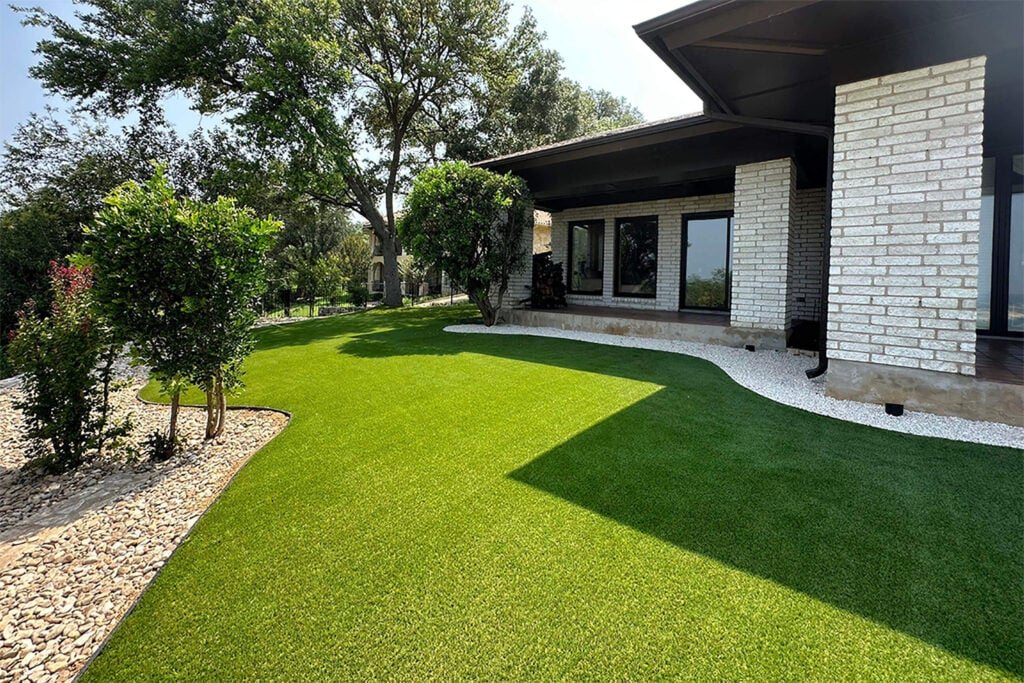
Artificial turf might seem like just fake grass, but it’s becoming a real game-changer in city spaces. For folks tired of brown patches, muddy yards, or high water bills, artificial turf offers a green solution that stays fresh all year without extra hassle. It’s tough enough to handle busy playgrounds and looks good while saving water and cutting down on lawn work. In this article, we explore why more Fort Worth homeowners are turning to artificial turf, and how it blends style, savings, and sustainability in one neat package.
Artificial turf is highly useful in outdoor spaces because it provides a durable, low-maintenance, and attractive green surface that stays vibrant year-round regardless of weather. Its sustainability benefits include eliminating the need for watering, mowing, and pesticides, making it an eco-friendly option that enhances yards, parks, playgrounds, sports fields, and public areas with safe, allergen-free turf built for heavy foot traffic.
Advantages of Artificial Turf in Urban Areas
One of the most immediate advantages of artificial turf is its remarkable durability. Unlike natural grass, which becomes patchy and worn under heavy foot traffic, artificial turf stands up to constant use without losing its lush look. The synthetic fibers retain their texture and color year-round, unaffected by droughts or seasonal shifts.
This durability ties closely with low maintenance requirements. Consider the time and resources that go into watering, mowing, fertilizing, and pest control with natural grass. These are greatly reduced, or even eliminated, with artificial turf. Watering demands drop considerably, an enormous saving that homeowners in dry Texas climates appreciate.
In our experience with installations through Artificial Turf of Texas, clients regularly report a sharp dip in landscaping labor costs and chemical use after switching to turf. Beyond money saved, this reduction in pesticide and fertilizer use means less environmental runoff polluting waterways.
While artificial turf is sometimes criticized for its plastic base, modern products are designed with recyclability in mind. Because they avoid lawn mower emissions and irrigation fuel use, artificial turf areas can meaningfully reduce a property’s carbon footprint over their lifespan.
| Benefit | Artificial Turf Impact | Natural Grass Counterpart |
| Water Usage | Major reduction in water use | Requires regular watering |
| Annual Maintenance Costs | Significantly lower, no mowing or fertilizing | High maintenance costs |
| Lifespan | Roughly 8 to 15 years before replacement | Needs frequent replanting and repairs |
| Use Capacity | Handles heavy daily use without wear | Wears down under steady traffic |
| Carbon Emissions | Lower over lifecycle | Higher due to mowing and fertilizer |
Another advantage is versatility. Artificial turf installation is very easy on flat surfaces but also adapts well to sloped or uneven terrain, such as embankments or oddly shaped medians where natural grass would be difficult to maintain. It opens creative possibilities too: rooftop gardens turn green without heavy soil layers, vertical walls sport greenery, and temporary event flooring benefits from quick setup and cleanup.
Eco-Friendly and Sustainable Benefits
Many modern artificial turf products are engineered with sustainability at their core. Manufacturers use recyclable materials and design systems that allow turf to be repurposed or recycled after its useful life, cutting down on landfill waste. When artificial turf reaches the end of its 8 to 15-year lifespan, a significant portion can be reclaimed and reused.
The environmental savings stretch far beyond recyclability. Consider water conservation, the single most crucial resource issue facing many Texas communities today. Natural grass typically demands intense irrigation. Artificial turf requires no watering at all, easing pressure on city infrastructure during droughts or dry seasons.
Fertilizers and pesticides applied on natural lawns pose another hidden threat to ecosystems. When rainwater washes over treated grass, these chemicals can seep into storm drains and local waterways. By removing the need for these treatments, artificial turf halts chemical runoff at the source. This also makes turf safe for children, pets, and allergy sufferers by creating toxin-free play spaces, a real benefit for Fort Worth families.
Traditional lawn care also relies heavily on gas-powered equipment like mowers, trimmers, and blowers. These machines release pollutants that contribute to poor air quality right in our neighborhoods. By removing mowing chores from the equation, artificial turf helps cut small-scale pollution sources significantly.
| Benefit | Environmental Impact |
| Water usage | Dramatic reduction compared to natural grass |
| Chemical use | Eliminated, preventing runoff into waterways |
| Air pollution | Reduced by cutting out gas-powered equipment |
| Waste management | Higher recyclability reduces landfill contribution |
Artificial turf also helps stabilize soil, preventing erosion on slopes or high-traffic zones. Advances in reflective infill materials help lower surface temperatures compared with asphalt or concrete, helping mitigate heat island effects in denser areas.
Installation and Upkeep Simplified
Installing artificial turf begins with ground preparation, which is crucial to creating a solid foundation. This involves removing existing grass, weeds, and topsoil, then leveling the area carefully. Uneven ground can lead to pooling water or uncomfortable bumps beneath the turf.
Once the old surface is cleared, a base layer goes in. Typically this is crushed stone or gravel, which promotes excellent drainage and provides stability for the turf on top. Good drainage prevents puddles that could damage the fibers or create unwanted odors.
After the base is set, the turf is rolled out carefully like laying carpet, with seams joined invisibly for a smooth look. Infill, usually sand or a similar material, is distributed evenly across the blades. This adds weight to prevent shifting and cushions footsteps, making walking or playing on turf feel natural.
From a maintenance standpoint, artificial turf shines due to its low demands. Sweeping away debris or rinsing dirt with water every few weeks keeps it looking fresh. Brushing once a month helps maintain fiber resilience by lifting blades back into place. Because professional installation teams at Artificial Turf of Texas understand the specific demands of Texas environments, they tailor each project carefully to ensure durability without sacrificing aesthetics.
Enhancing Fort Worth Aesthetics
One of the most striking benefits artificial turf brings to outdoor spaces is its unwavering visual appeal. Unlike natural grass, which succumbs to seasonal shifts and droughts, artificial turf maintains a lush, vibrant green color year-round. This consistency transforms dull or patchy landscapes into inviting environments that brighten any property instantly.
Imagine a backyard where the greenery looks fresh and immaculate even on the hottest summer days or during heavy rain. Artificial turf’s UV resistance helps it resist fading under intense Texas sunlight, a common problem with natural grass in sun-baked areas.
Because artificial turf needs no mowing, fertilizing, or watering, there’s no risk of unsightly brown patches caused by neglect or seasonal dieback. Modern artificial turf also allows customization in color tones and blade heights so designs can match local aesthetics, whether for play areas, putting greens, or decorative zones.
For Fort Worth homeowners aiming to create attractive, sustainable green spaces, artificial turf offers a balance between beauty and a low environmental footprint, particularly in a climate where water conservation is critical.
Applications in Public and Residential Spaces
Outdoor spaces are busy hubs where wear and tear happen fast, and natural grass often can’t keep pace. Backyards and neighborhood parks must endure constant foot traffic, unpredictable weather, and safety demands. Artificial turf creates a resilient, even surface that’s soft enough for children to play on safely and sturdy enough to resist muddy messes after rainstorms.
Sports fields highlight how artificial turf meets intense usage requirements, delivering consistent playing conditions year-round without the downtime natural grass demands for recovery. Median strips and roundabouts, spaces notoriously difficult to maintain, also benefit by maintaining vibrant greenery without watering or mowing.
| Application | Benefit |
| Embankments and Slopes | Prevents soil erosion with minimal effort |
| Backyard Play Areas | Safe, allergen-free zones free from mud or chemicals |
| Pet Runs | Clean, durable surfaces that resist odors and wear |
| Putting Greens | Consistent playing surface for golf enthusiasts |
| Rooftop and Patio Spaces | Quick installation that transforms hard surfaces |
| Pool Surrounds | Soft, slip-resistant footing year-round |
Fort Worth homeowners planning yard upgrades benefit from working with professional installers like the team at Artificial Turf of Texas, who build tailored solutions for intensive-use spaces.
Common Mistakes to Avoid When Installing Artificial Turf
Avoiding these common mistakes ensures your artificial turf stays durable, attractive, and long-lasting.
- Skipping proper base preparation, leading to uneven surfaces
- Poor drainage planning, causing water buildup and odors
- Choosing low-quality turf that fades or wears quickly
- Incorrect infill application affecting durability and comfort
- DIY installation without proper tools or expertise
Versatility in Residential and Commercial Settings
Artificial turf’s adaptability shines most clearly when you look beyond parks or sports fields. In residential settings, it has become a go-to for homeowners seeking lush, green lawns without the headaches of constant watering, mowing, and pesticide use. Many Fort Worth homeowners have found that turf stays vivid and soft even through scorching summers, eliminating muddy messes after rain and cutting water bills considerably.
This flexibility isn’t limited to backyards. Homeowners are integrating turf into patios, balconies, and indoor-outdoor living areas. Whether it’s creating a clean pet area where animals won’t dig up soil or crafting an inviting play zone that stays neat regardless of the weather, the possibilities keep expanding.
Commercial landscapes benefit from turf’s resilience and low maintenance. For office courtyards or rooftop patios, synthetic turf provides a durable alternative that keeps its visual appeal without ongoing irrigation or fertilization costs.
Key factors underpinning turf’s versatility include:
- Water conservation, reducing consumption significantly compared with natural lawns.
- Low upkeep, eliminating mowing and chemical treatments.
- Suitability for diverse terrains, including flat areas, slopes, patios, and rooftops.
- Safety for children and pets, with allergen-free materials.
- Durability under heavy use, especially in high-traffic zones.
Future Trends in Artificial Turf Usage
One exciting development is the fusion of smart technology with synthetic grass. Picture a lawn with embedded sensors and repellant coatings that help shed dirt with little effort. Beyond cleanliness, solar-integrated fibers could one day power landscape lighting, turning a yard into a small energy hub.
Running alongside technological integration is the push toward sustainability through advanced materials. Current products are already moving closer to full recyclability, with future iterations aiming for bio-based fibers derived from plant polymers. These innovations address two primary challenges facing Texas: water scarcity and climate resiliency.
| Benefit | Real Grass | Artificial Turf |
| Water Usage | High | Minimal |
| Maintenance Cost | High | Low |
| Lifespan | 5 to 15 years | 15 to 25 years |
| Environmental Impact | Variable | Recyclable and increasingly bio-based |
Transform Your Outdoor Space with Premium Artificial Turf
Ready to enjoy a lush, green lawn without the hassle of watering, mowing, or maintenance? Artificial Turf of Texas provides custom turf solutions designed for Fort Worth homes and businesses.
As a trusted artificial turf company, we also deliver installations designed for durability, sustainability, and the unique demands of Texas climates. Whether you need a pet-friendly yard, a modern patio upgrade, or a durable commercial space, our experts are here to help you every step of the way.
Call 817-988-6986 today or explore your options online to get started with a free consultation to transform your outdoor space into a sustainable oasis.
FAQs on Artificial Turf for Urbar Outdoor Spaces
What are the environmental benefits of using artificial turf?
Artificial turf cuts water use considerably compared to natural grass, saving precious Texas water supplies while reducing runoff pollution. It lowers the need for pesticides and fertilizers, keeping soils and waterways cleaner. The low maintenance also means fewer gas-powered mowers, dropping carbon emissions for a typical lawn.
Can artificial turf improve the usability and safety of outdoor recreational spaces?
Yes. Artificial turf provides a durable, even surface that withstands heavy foot traffic without turning muddy or patchy. Yards stay open and accessible year-round, and shock-absorbing properties help cushion falls, making playtime safer for kids and pets alike.
How does artificial turf impact water conservation?
Artificial turf is a standout for water conservation. It needs essentially no watering yet still looks lush and green all year round. By replacing thirsty natural grass, turf slashes outdoor water use dramatically in drought-prone areas.
How does artificial turf affect maintenance costs compared to natural grass?
Artificial turf dramatically reduces maintenance costs. Without the need for regular watering, mowing, fertilizing, or pest control, homeowners save considerably on upkeep each year. It’s also drought-resistant, meaning no more wrestling with sprinklers or brown patches.
What are the potential drawbacks of installing artificial turf?
While artificial turf brightens outdoor spaces with its evergreen charm, it isn’t without considerations. Older products could retain heat in direct sun, though modern cooling infill options help address that. Disposal and upfront costs are also factors to weigh, though long-term savings on water and maintenance often offset the initial investment.
How long does artificial turf last in Texas weather?
Artificial turf typically lasts 10 to 20 years depending on usage, quality, and maintenance, even under intense Texas sun.
Does artificial turf get too hot in summer?
Modern turf includes cooling infill and heat-resistant technology, making it significantly cooler than older versions and comparable to natural surfaces.
Is artificial turf safe for pets?
Yes, artificial turf is pet-friendly, easy to clean, and resistant to odors when installed with proper drainage systems.
Can artificial turf increase property value?
A well-installed artificial lawn can improve curb appeal and reduce maintenance costs, which may positively influence property value.